
Bed bug infestations pose a significant challenge for many households. These pests can quickly multiply, creating discomfort and distress.
Among various eradication methods, heat treatment stands out as a highly effective solution. This approach targets all life stages of bed bugs, ensuring thorough elimination.
However, understanding the intricacies of this method and its advantages over traditional techniques is essential. What does the process entail, and how can one prepare their home effectively?
While bed bugs can invade even the most meticulously maintained spaces, understanding their behaviors and preferred environments is essential for effective management. Bed bugs are small, nocturnal insects that thrive in warm, dark areas close to human hosts.
Common causes of infestations include traveling, bringing infested luggage home, and acquiring secondhand furniture without proper inspection. Their ability to reproduce rapidly exacerbates the problem, making timely identification vital.
Solutions to combat bed bug infestations begin with thorough inspections to confirm their presence. Effective management requires a combination of sanitation, isolation, and targeted treatments. Vacuuming and washing infested items can reduce populations, while sealing cracks and crevices helps eliminate hiding spots. Professional pest control services often offer advanced methods, including heat treatment, which effectively eradicates bed bugs at all life stages. Understanding these factors forms the foundation for a successful approach to dealing with infestations.
How effective is heat treatment in eliminating bed bugs? This method relies on precise temperature thresholds that disrupt the pests' biological functions. Bed bugs and their eggs typically perish at temperatures exceeding 120°F (49°C).
When exposed to these elevated temperatures for a sustained period, the heat penetrates various surfaces, guaranteeing thorough extermination. Research indicates that temperatures around 130°F (54°C) can achieve near-instantaneous results. However, it is essential to maintain these temperatures for an adequate duration to confirm all life stages, including eggs, are eradicated.
The effective use of heat also involves monitoring to prevent temperature fluctuations, which could allow bed bugs to survive. Consequently, understanding these temperature thresholds is fundamental for successful bed bug eradication.
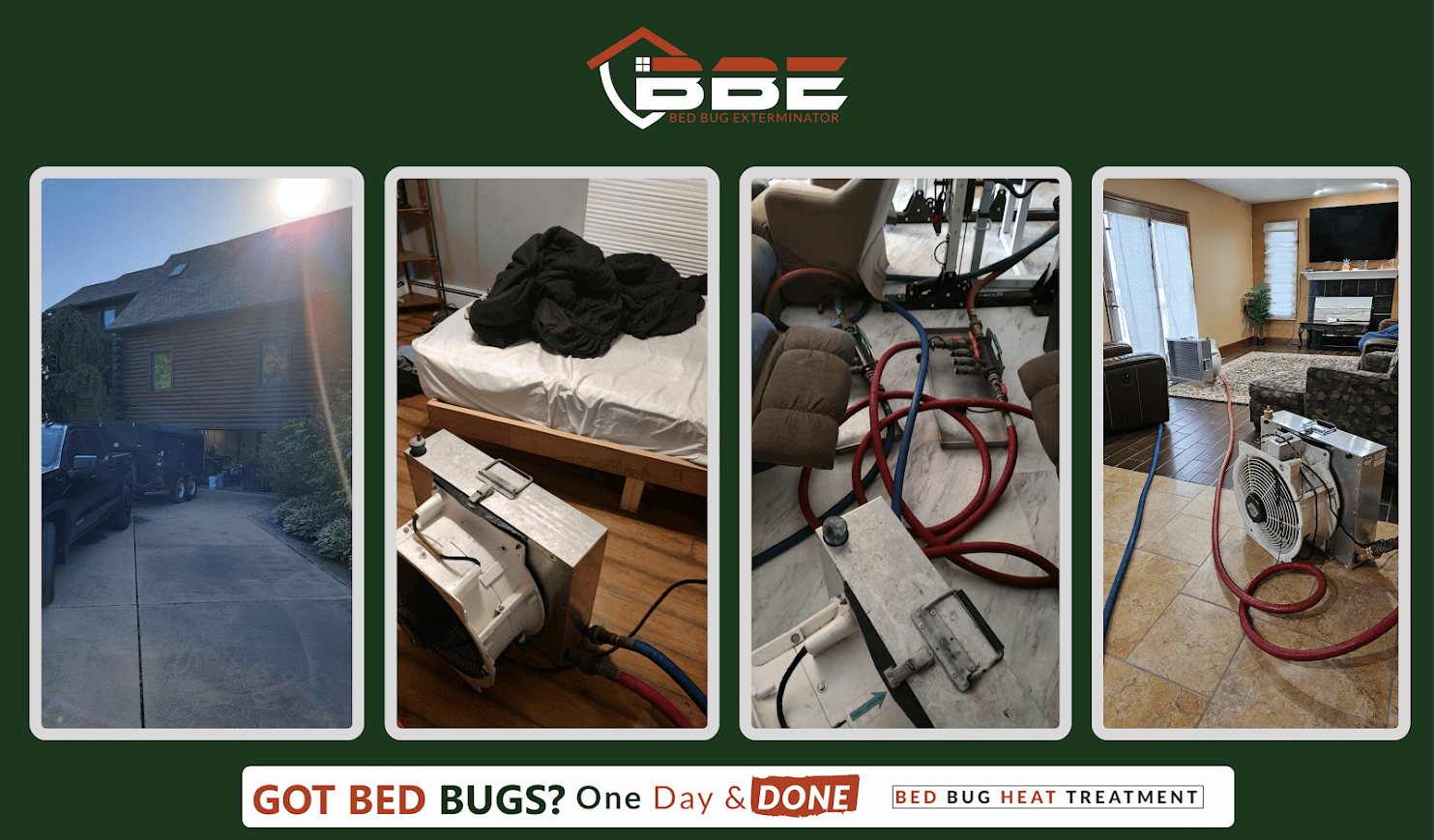
Understanding the effectiveness of heat treatment involves examining the specific steps in the process that lead to bed bug elimination. Initially, a thorough inspection is conducted to identify infested areas. Next, specialized equipment is used to raise the temperature of the space to a lethal level, typically between 120°F and 140°F.
This temperature is maintained for a predetermined duration, usually several hours, to guarantee all life stages of bed bugs are affected. During treatment, furniture and belongings may be moved to optimize heat circulation.
After the heat application, a follow-up inspection is typically performed to confirm the success of the treatment. This systematic approach ensures that the heat penetrates all hiding spots, effectively eradicating the bed bug population.
Effectively eliminating bed bugs through heat treatment requires careful consideration of safety measures. The process involves raising the temperature of infested areas to a lethal level for bed bugs, usually between 120°F and 140°F.
However, it is essential to protect sensitive items, such as electronics, artwork, and certain fabrics, which may be damaged by high heat. Proper ventilation must be guaranteed to prevent overheating and potential fire hazards.
Additionally, professionals conducting the treatment should be trained to monitor temperatures accurately to avoid unsafe conditions. Homeowners should vacate the premises during treatment to minimize exposure to extreme heat. Following these precautions helps ensure that heat treatment is both effective and safe for all involved.

Heat treatment emerges as a powerful solution for combating bed bugs, offering several advantages over traditional methods. One of the primary benefits is its ability to eliminate all life stages of bed bugs, including eggs, in a single session. This all-encompassing approach minimizes the risk of re-infestation, which is often a concern with chemical treatments that may leave behind surviving pests.
Additionally, heat treatment is environmentally friendly, as it typically requires no harsh chemicals, making it safer for both residents and pets. The process is also faster, often requiring just a few hours to complete, compared to the multiple applications and extended timeframes associated with traditional insecticides.
Moreover, many heat treatment providers guarantee their results, providing peace of mind to homeowners. Overall, heat treatment stands out as a modern, effective, and safe method for eradicating bed bugs compared to conventional approaches.
What can one anticipate during the heat treatment process for bed bugs? The treatment typically begins with a thorough inspection to identify infested areas. Technicians then set up specialized heating equipment that raises the temperature of the affected space to between 120°F and 140°F. This temperature is lethal to bed bugs at all life stages.
During the process, occupants and pets are required to leave the premises, as high temperatures can be hazardous. The treatment usually lasts several hours, with the heating system running continuously to guarantee even distribution of heat.
After the treatment, technicians will conduct a follow-up inspection to confirm the effectiveness of the process. It's important for homeowners to know that while heat treatment is highly effective, some bed bugs may remain in hidden areas, necessitating additional measures or follow-up treatments. Overall, the process is generally quick, safe, and efficient in eradicating bed bug infestations.
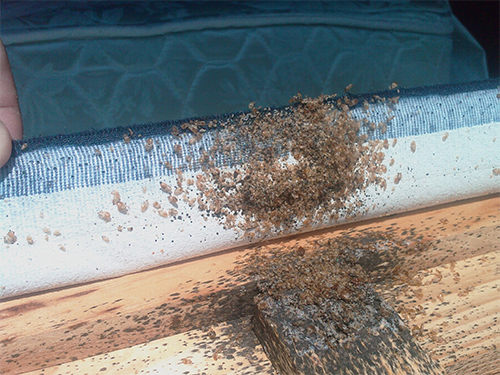
Bed bugs are indeed attracted to certain fabrics, particularly those that are soft and textured, such as cotton and polyester blends. Their preference for these materials can facilitate easier hiding and breeding within household environments.
Pets can inadvertently carry bed bugs into the home, as these pests may cling to their fur or belongings. However, bed bugs do not infest pets themselves; they primarily target human hosts for feeding.
Heat treatment generally does not damage most belongings, as long as items can withstand high temperatures. However, sensitive materials like electronics, artwork, and certain fabrics may require special consideration to prevent potential harm during the process.